
A Difficult Future:
Healthcare costs and medical trend rates are projected to climb significantly, with employer health costs and insurance premiums among the steepest increases in over two decades. Skyrocketing utilization and prices for specialty medications are driving pharmacy spending up much faster than baseline medical inflation.
The most significant underlying issue is the lack of competition in the supply of health care services. Health care markets in the US and California are often monopolized or dominated by a small number of providers, insurers, and pharmaceutical companies; the most common health care is Medical (Chang et al., 2025).

Medical cost trends are projected to climb by roughly 8% -10% due to inflation, escalating specialty drug prices, and provider consolidation. Many health insurance premiums are unaffordable; Californians are more likely to go without insurance or choose a plan with a lower premium but a much higher deductible.
Those individuals are more likely to skip important preventive care, which can later affect their health in the future. High out-of-pocket expenses increase the risk of personal bankruptcy, forcing families to trade off medical care against basic needs like food and housing. When patients are priced out of medications or preventive screenings, minor conditions escalate into catastrophic health emergencies.
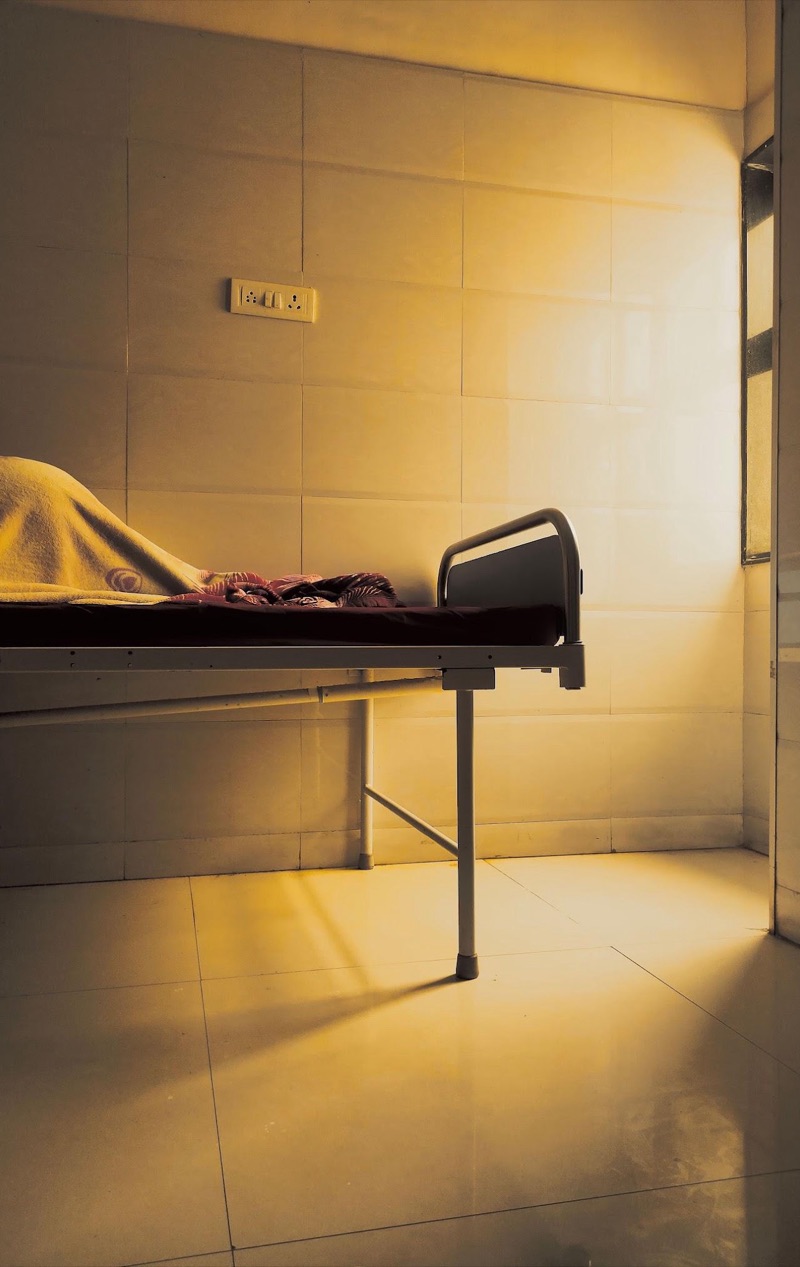
One example of how health care costs affected a California resident is Vickie Villegas. She had to pay $3,000 out-of-pocket every time she was treated for multiple sclerosis. This is a disease that attacks the central nervous system and affects her everyday life. A medical professional recommended she get treatments twice a year to keep the disease from worsening. Because the cost of treatment was so high, her disease progressed, and she lost use of her left hand(Goldstein, 2024).
Another example: Estevan Rodriguez-Hernandez, a California resident, was in the hospital for a week in 2020; his bill totaled more than $167,000. Even after insurance coverage, Rodriguez-Hernandez owed $5,600, but the COVID-19 pandemic prevented him from working at the time. More and more Californians face problems similar to those of Villegas and Rodriguez-Hernandez. In the future, this can lead to more severe cases and eventually lead to death.